Feral Cat Eradication Program
Kangaroo Island leading the war on Australia’s feral cats
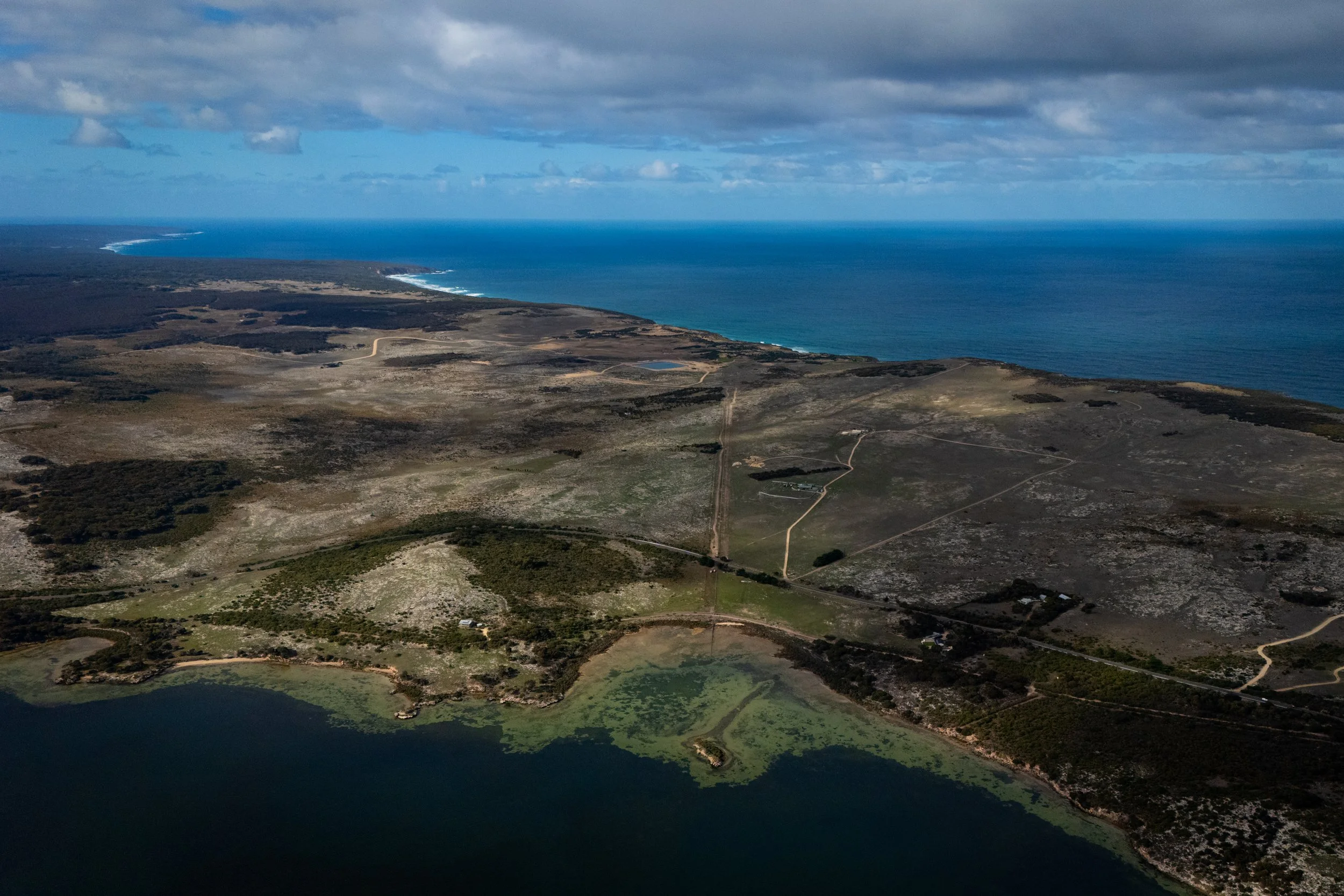
Australia is carrying out one of its largest wildlife protection efforts by trying to remove feral cats from Kangaroo Island in South Australia. The plan aims to completely eliminate feral cats from the island by 2030 in order to protect native wildlife.
Feral cats are a major threat to Australia’s environment. They hunt and kill birds, reptiles, frogs, and small mammals. It is estimated that they kill around 1.5 billion native animals every year. Many native species in Australia evolved without natural predators like cats, so they are especially vulnerable. As a result, several species have already become extinct partly because of feral cat predation. Scientists describe feral cats as one of the most serious dangers to biodiversity in the country.
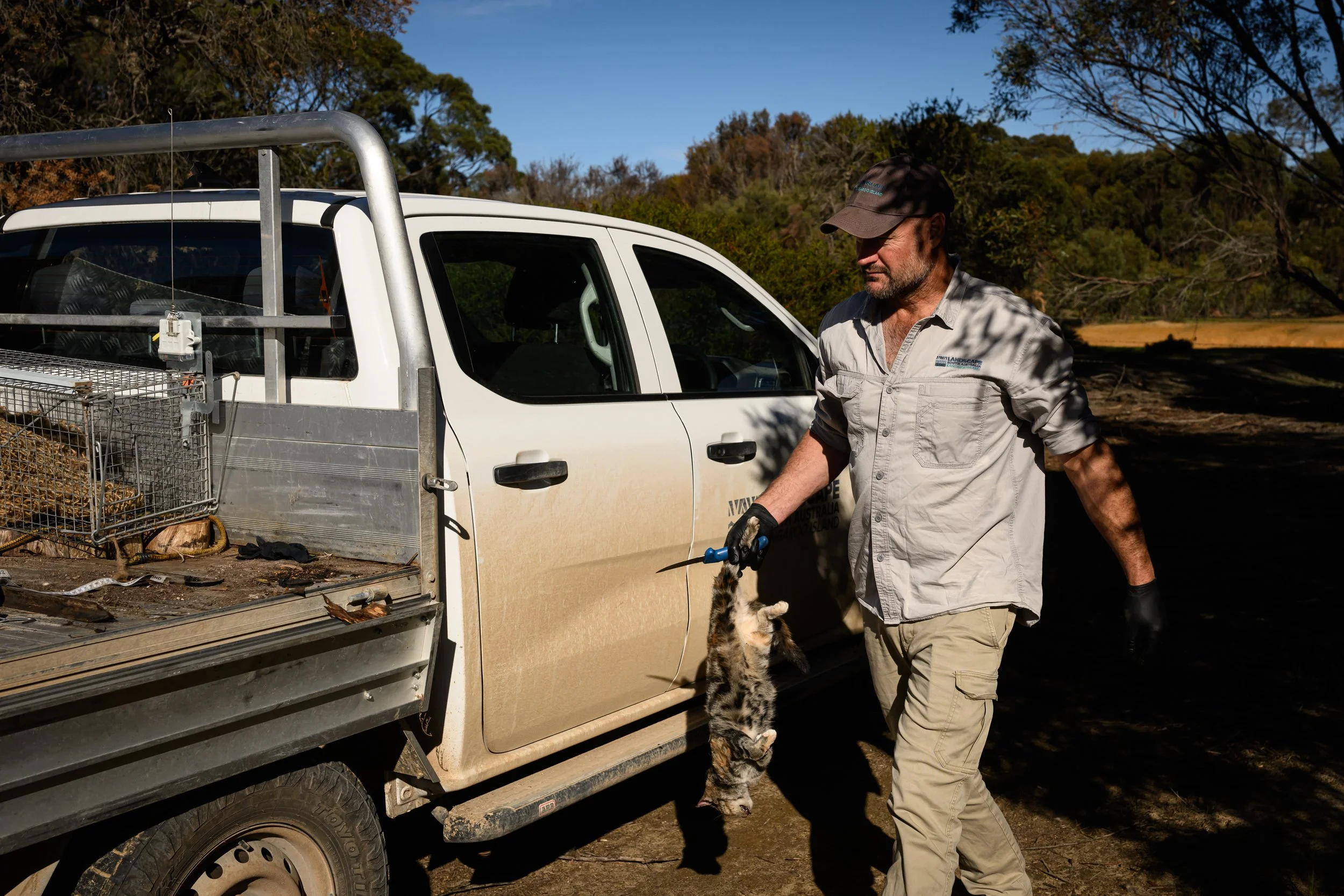
On Kangaroo Island, conservation teams are using different methods to find and remove feral cats. These include camera monitoring, cage traps, tracking dogs, and night patrols. The purpose is to reduce the cat population step by step until none remain. The long-term goal is to allow native animals to recover and rebuild their populations in a safer environment.
At the same time, the issue is not simple and there is public debate. Animal welfare groups question whether it is acceptable to kill cats in large numbers. They argue that cats are intelligent animals capable of feeling pain and stress, and that more humane methods should be used instead. This creates an ethical conflict between protecting native wildlife and protecting animal welfare.
One important point is that feral cats are not the same as pet cats. Feral cats live in the wild, survive by hunting, and reproduce quickly. Once established in an environment, they are extremely difficult to control or remove completely. The situation in Australia is also a result of human history, since cats were originally brought to the country by European settlers. This means the current problem is a consequence of earlier human actions.
Because of this, the issue involves more than just wildlife management. It also raises questions about responsibility and ethics. Conservation workers believe that removing feral cats is necessary to prevent further extinction of native species. At the same time, animal welfare supporters argue that solutions should avoid unnecessary suffering whenever possible.
The discussion highlights a difficult balance. On one side is the need to protect unique native ecosystems that exist nowhere else in the world. On the other side is concern for the humane treatment of animals, even invasive ones. There is no simple answer that satisfies all perspectives.
In the end, the situation shows that environmental protection can involve complex choices. Human actions have created ecological problems that are now difficult to reverse. Managing invasive species requires not only scientific methods but also careful consideration of ethical values and long-term consequences. It also emphasizes the importance of responsible pet ownership, so domestic cats do not contribute further to harm in the wild.